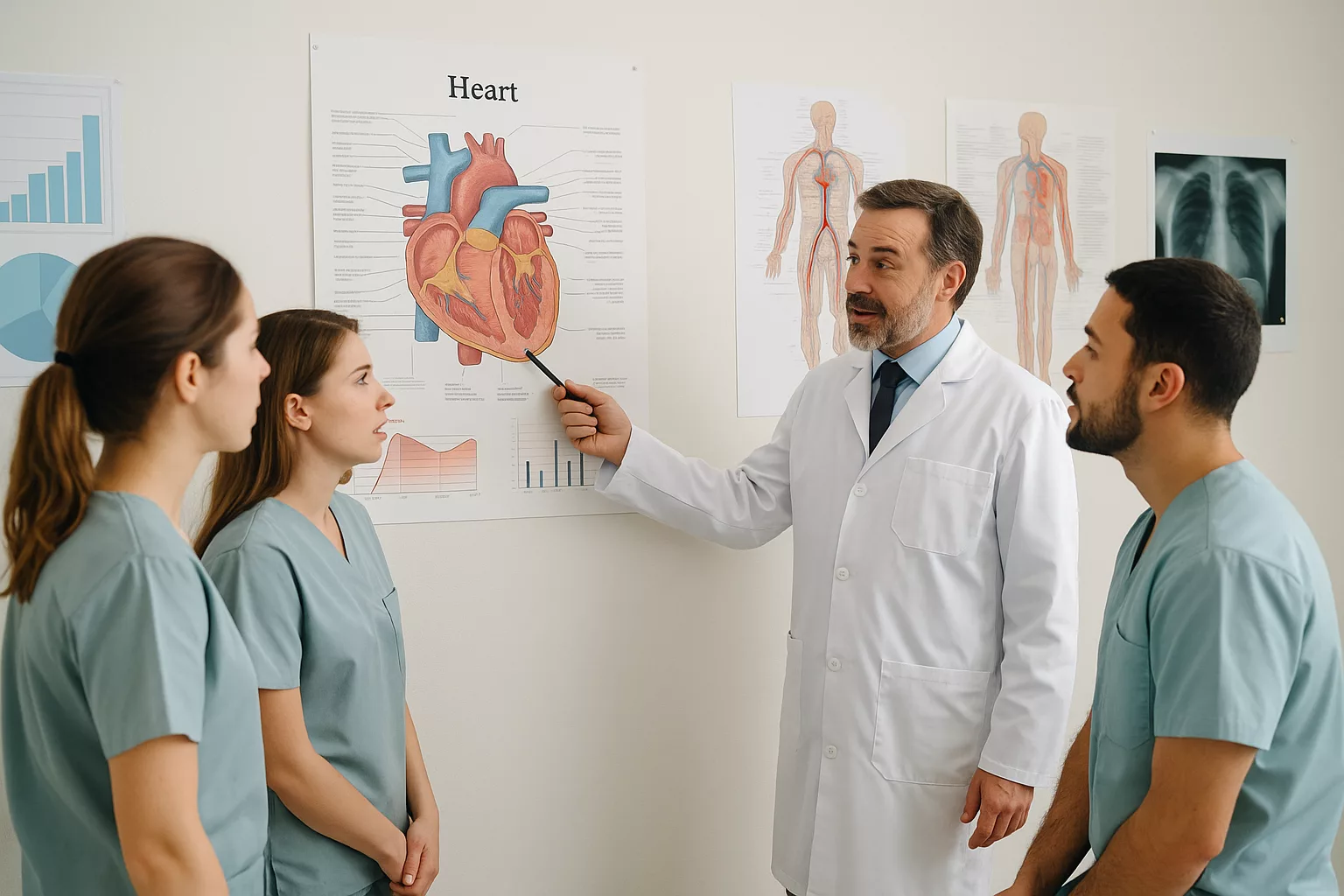
Life as a Medical Student in Kursk: Study, Science, Conferences, and Practical Tips
Kursk combines a strong medical-educational tradition with a compact city life that’s efficient for students. Whether you’re at Kursk State Medical University (KSMU) or training in one of the city hospitals, success depends on combining practical clinical experience, research activity, conference participation, and smart study habits. Below is a concise, practical guide to help you thrive.
Quick snapshot: what Kursk offers medical students
— A major medical university environment with lecture-based and clinical training.
— Access to regional hospitals and specialty centers for clinical rotations.
— Active student scientific societies and regional conferences—great for first publications and presentations.
— Affordable living, manageable commuting, and a close-knit student community.
Study and time-management strategies
— Prioritize: use a weekly plan that blocks time for lectures, self-study, clinical duties, and rest.
— Active learning: teach back material, use spaced repetition (Anki or similar), and do frequent quick quizzes.
— Clinical pivot: when on wards, focus on history-taking, physical exam practice, and presenting cases concisely.
— Anatomy and practical skills: schedule regular lab/practice sessions rather than cramming; form small peer groups for skills practice.
— Exam prep: create NBME/OSCE-style practice stations if available; simulate timed oral presentations.
Clinical rotations — practical advice
— Learn the local workflow: observe rounds, understand documentation standards, and ask about preferred presentation formats.
— Build a short “cheat sheet” per rotation: common diagnoses, algorithms, typical medications and doses.
— Seek feedback: request a brief debrief after patient encounters. Small corrections compound quickly into improvement.
— Procedures: record every supervised procedure you assist with—logbooks can help for portfolios and future applications.
— Professionalism: punctuality, clear communication, and neat notes go a long way in busy regional hospitals.
Research and science — how to get started in Kursk
— Join the Student Scientific Society or departmental research groups—these are major gateways to mentors and projects.
— Start small: case reports, retrospective chart reviews, or simple prospective observational studies are realistic first projects.
— Learn basic research skills: literature searching, reference management, simple stats (Excel/SPSS/R), and abstract writing.
— Collaboration: co-author with peers and senior students; local clinicians often welcome help with data collection.
— Aim for conference abstracts first—these often lead to full papers later.
Conferences — preparation and maximising benefit
— Where to look: university bulletins and department noticeboards list regional scientific-practical conferences. National student conferences run seasonally.
— Abstracts: follow submission rules exactly (word limits, structure). Keep your methods and results concise.
— Poster/oral tips:
— Poster: make it readable at a distance; highlight one clear message.
— Oral: rehearse to strict time limits; prepare for direct questions—anticipate weaknesses.
— Networking: bring a simple business card or contact note; follow up with presenters or potential supervisors by email after the conference.
— Funding and travel: apply early for small university grants, travel stipends from student unions, or department support.
Practical educational resources in Kursk
— Libraries and digital access: KSMU library and departmental resources—use them for textbooks, journals, and local theses.
— Simulation and skills centers: if available, book sessions early; simulation is invaluable for emergency and procedural practice.
— Local hospitals: clinical experience at regional and city hospitals is central — contact department heads for rotation preferences.
— Language: improve medical Russian terminology if you are an international student—clinical communication is paramount.
Student life, wellbeing and logistics
— Accommodation: university dormitories and private rentals are both common—dorms are budget-friendly and convenient for first-year students.
— Transport: Kursk is compact; public transport and biking are options for commuting to clinical sites.
— Balance: schedule exercise and social time to avoid burnout; student clubs, sports, and cultural activities help maintain morale.
— Administrative tasks: keep visa, registration, immunization records, and health insurance up to date. Check deadlines with the dean’s office.
Common pitfalls and how to avoid them
— Overloading early: don’t take on too many research projects or extra shifts—prioritize depth over breadth.
— Passive learning: lectures alone won’t stick—regular, active practice is essential.
— Poor networking: introduce yourself to mentors and colleagues—many opportunities arise through simple conversation.
— Missing deadlines: for abstracts, grants, and rotations—use a digital calendar with reminders.
Local contacts and next steps (practical checklist)
— Contact the Student Scientific Society / dean’s office to learn about ongoing projects and upcoming conferences.
— Visit the university library to get access to journal databases and thesis archives.
— Make a 6-week study/rotation plan with clearly defined goals (skills to practice, cases to see, research hours).
— Draft a one-page CV and a short “research interests” summary to share with potential supervisors.
— Budget for conference travel early and check small internal grants or student union funds.
Final tips
— Start with small, achievable goals: one poster, one research task, and a regular clinical skills slot.
— Be proactive: ask for cases, procedures, and feedback—teachers appreciate motivated students.
— Use conferences not just to present, but to learn practices, meet peers, and get ideas for future projects.
If you tell me your current year/rotation or whether you’re an international student, I can create a tailored 4-week plan for study, research, and conference preparation specific to Kursk.