Introduction
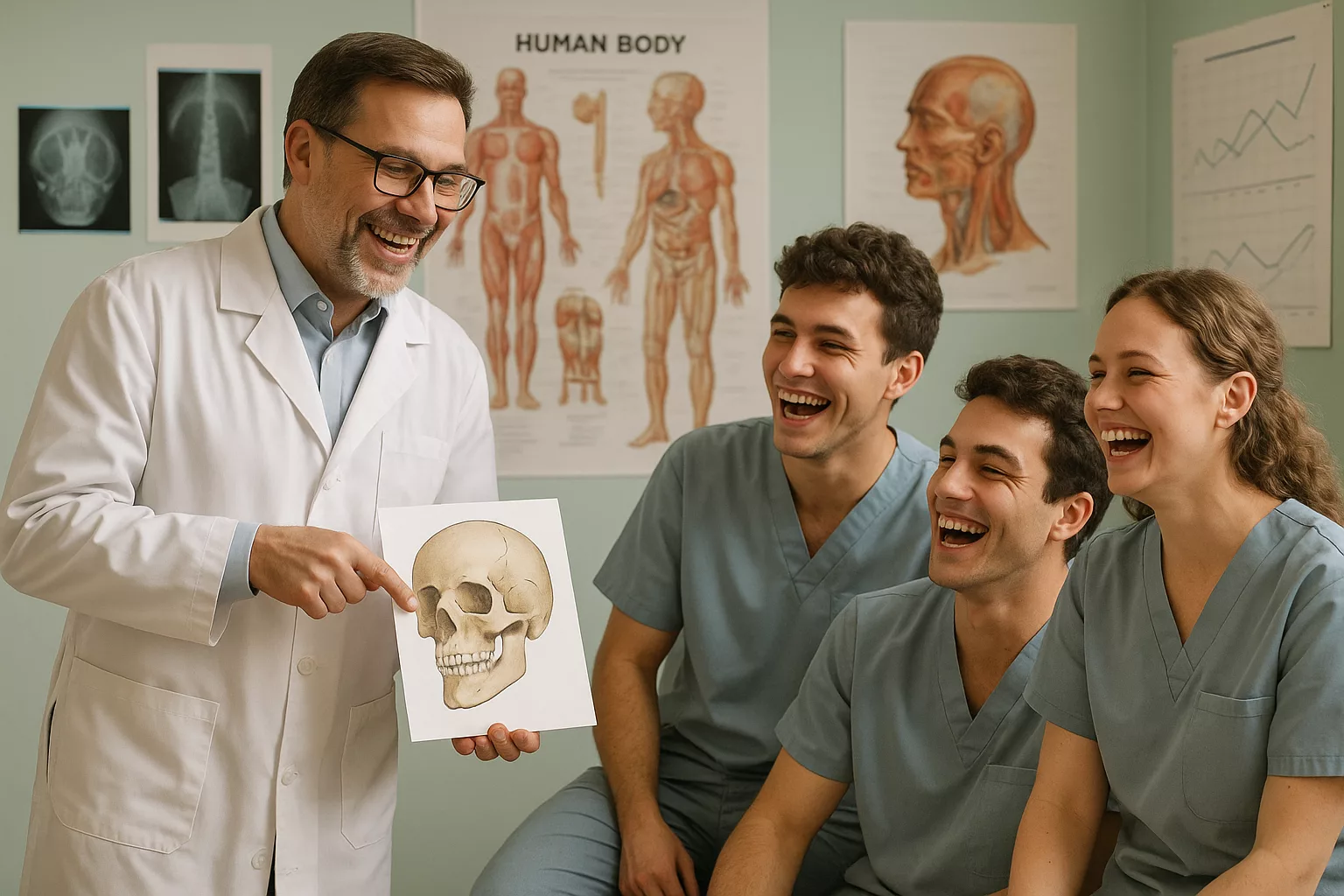
Kursk is a regional hub for medical education with a lively student community, affordable living, and access to practical clinical experience. Whether you’re a first‑year adjusting to gross anatomy or a senior presenting at your first conference, this guide gives concrete, practical advice for studying smarter, getting involved in research, and making the most of student life in Kursk.
Student life in Kursk — practical realities
— Accommodation: University dorms are affordable and sociable; private rentals offer more comfort but higher cost. Apply early for dorm placement and join local student groups to find sublets.
— Transport: Public transport (buses, minibuses) is cheap and reliable for daily commutes. Cycling and walking are viable in central districts.
— Living costs: Food, utilities, and social activities are generally lower than in big Russian cities. Budget for occasional textbooks, simulation lab fees, and conference travel.
— Food and well‑being: Cook at home when possible to save money; explore local markets for fresh produce. Keep basic first‑aid and cold‑season supplies handy.
— Social life: Student clubs, sports sections, and cultural events at the university are your best way to meet peers and decompress between rotations.
Academic survival kit — study strategies that work
— Prioritize high-yield material: Focus on common diseases, clinical reasoning, and exam formats used by your faculty.
— Active learning methods:
— Spaced repetition (Anki or paper cards) for anatomy, pharmacology, and microbiology facts.
— Active recall: quiz yourself or teach a peer.
— Clinical case practice: do one realistic case per study session to integrate knowledge.
— Time management:
— Block study into focused 45–90 minute sessions with short breaks.
— Use weekly planning: allocate time for lectures, library reading, and skills practice.
— Exam prep:
— Collect past exam questions and simulate exam conditions.
— Form small study groups for OSCE practice and oral exam drills.
— Clinical skills:
— Practice history taking and physical exams on classmates; volunteer at student-run clinics if available.
— Record checklists for common procedures and review them before rotations.
Making the most of clinical rotations in local hospitals
— Arrive prepared: Read the chief complaints and differential diagnoses for expected cases before your shift.
— Be proactive but professional: Offer to take histories, follow labs, and write succinct notes; ask for feedback.
— Build relationships: Introduce yourself to nurses and residents—practical learning often comes from the team.
— Keep a clinical log: Track cases, procedures observed, and skills performed for future applications and self‑reflection.
Research and conferences — getting involved from Kursk
— Start small: Case reports, clinical audits, and short observational studies are accessible entry points.
— Find a mentor: Approach lecturers, residents, or department heads with a short, specific idea and ask for supervision.
— Conference strategy:
— Local and regional conferences are ideal first steps — aim to present a poster or short oral.
— Prepare a concise abstract; follow submission deadlines closely.
— For posters: design a clear visual, prepare a 2‑minute pitch, and bring takeaway handouts (1‑page summary).
— Networking tips:
— Have a one‑line research summary and your contact (email/ResearchGate/LinkedIn).
— Follow up within a week after the conference with a thank‑you and a short note about collaboration interest.
— Funding and travel:
— Look into small university grants, student society funds, or department travel support for conference costs.
— Share travel and accommodation with peers to reduce expenses.
Publications and CV building
— Early publications: Aim for case reports and letters, then progress to small cohort studies or systematic reviews.
— Authorship etiquette: Discuss roles and expectations with your mentor before starting a project.
— Build a CV with balance:
— Academic achievements (grades, publications)
— Clinical experience (rotations, procedures)
— Extracurriculars (student society roles, volunteer work)
— Conferences and presentations
Language, communication, and professionalism
— Russian proficiency: If you’re an international student, invest in medical Russian — it makes history taking and ward work more effective.
— Medical terminology: Learn both Russian and Latin/English equivalents for drugs, procedures, and diagnoses.
— Professional behavior: Be punctual, respectful, and keep patient confidentiality at all times.
Practical checklist for first-year to senior transition
— First year:
— Master basic sciences and anatomy using active recall and dissection practice.
— Join study groups and student clubs.
— Clinical years:
— Build a skills log, practice bedside manner, and learn documentation norms.
— Start thinking about research interests and potential mentors.
— Electives and final years:
— Present at least one conference (poster or oral).
— Finalize CV, gather recommendation letters, and decide on specialty interests.
Balancing burnout and student well‑being
— Sleep, nutrition, and exercise matter: Even short workouts and 7–8 hours of sleep improve retention and resilience.
— Set boundaries: Schedule downtime, hobbies, and social contact just as you schedule study.
— Use local support: University counseling services, student unions, and peer mentors can help when stress peaks.
Local resources and contacts (where to look)
— University services: Academic advisors, simulation labs, and career centers.
— Hospital learning opportunities: Teaching hospitals affiliated with the university.
— Student societies: Medical student scientific societies, specialty clubs, and volunteer clinics.
— Online: PubMed, ResearchGate, free course platforms, and Russian medical portals for local guidelines.
Quick checklist before leaving for a conference or rotation
— Copies of passport/ID and student ID
— Printed abstracts/poster and presentation slides
— One‑page CV and business cards (or digital contact info)
— Clinical logbook and case summaries to discuss with supervisors
— Comfortable shoes and a professional outfit for presentations
Final thought
Kursk offers a practical, cost‑effective environment to build clinical skills, engage in research, and start presenting at conferences. Be proactive: seek mentors, practice clinical skills, and treat each small presentation or case report as a stepping stone for your future career. With consistent habits and strategic involvement, you’ll graduate with strong clinical experience, a solid CV, and real connections in the Russian medical community. Good luck — and don’t forget to enjoy the journey.