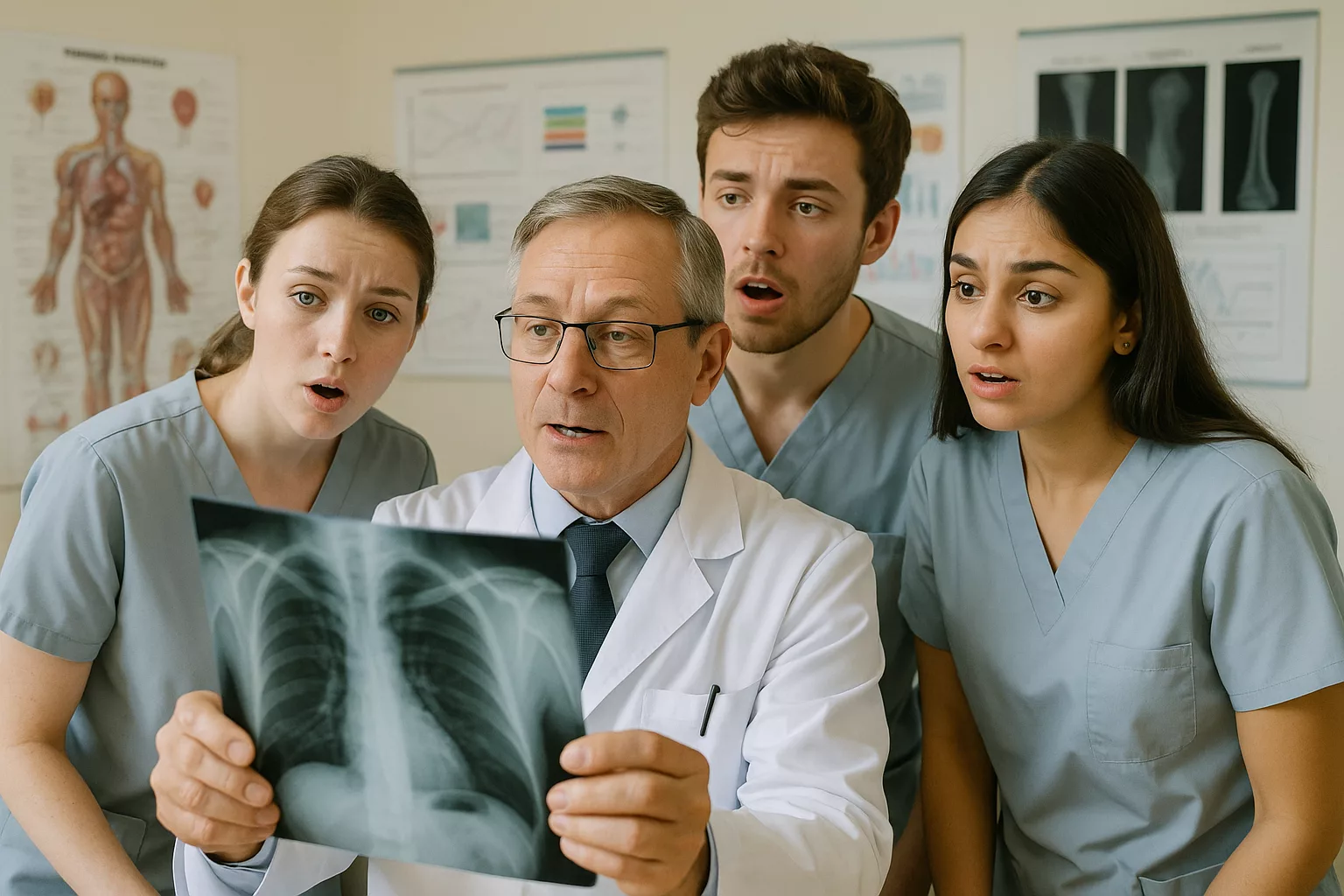
Life as a Medical Student in Kursk
Kursk combines a strong regional medical education base with an affordable, student-friendly city life. Whether you study at Kursk State Medical University or train in one of the regional hospitals, you’ll find a mix of classic classroom learning, hands-on clinical practice, and opportunities for research and conference participation.
— Affordable living: lower rents and living costs than Moscow or St. Petersburg.
— Compact city: easy commuting by bus/tram/rail; plenty of cafés, libraries and study-friendly spaces.
— Cultural balance: quiet study environment with historical sites and student clubs for downtime.
Making the Most of Clinical Training
Clinical rotations are where theory becomes practical. Treat each shift as a learning opportunity.
— Come prepared: read common diagnoses for the ward before the shift (chief complaints, differential diagnoses, basic management).
— Be proactive: volunteer for histories, physical exams, and simple procedures under supervision.
— Keep a skills log: document procedures, cases, feedback and reflective notes—this helps for exams and CVs.
— Ask for feedback: request brief, specific feedback after patient encounters or presentations.
— Attend rounds and case conferences: observe senior reasoning and question openly when appropriate.
Study Strategies That Work
Medical school rewards consistent, active learning.
— Active recall + spaced repetition: use Anki, Quizlet, or paper flashcards for high-yield facts.
— Synthesize notes: after lectures, convert long notes into one-page summaries or visual mind maps.
— Practice questions: integrate clinical vignettes and past exam items regularly.
— Study groups: brief, focused group sessions for case discussions and peer teaching.
— Simulation & bedside practice: prioritize hands-on skills (suture, IV, CPR, auscultation).
Research and Science — How to Start in Kursk
Getting involved in research as a student improves critical thinking and your CV.
— Join a student scientific society (SSS): most medical schools and hospitals run student research groups.
— Start small: case reports, case series, literature reviews, or retrospective chart reviews are accessible entry points.
— Find a mentor: approach faculty with clear, concise proposals or offer to help ongoing projects.
— Learn basics: statistics (R, SPSS), research design, and scientific writing. Short courses and online modules help.
— Ethics and approvals: check local Institutional Review Board (IRB) requirements before starting clinical research.
— Publication pathway: aim for local journals first, then prepare abstracts for student and regional conferences.
Presenting at Conferences — Practical Checklist
Conferences are key for networking and showcasing work. Kursk hosts student and regional scientific meetings; national events are accessible by rail.
Before the conference:
— Choose one clear message for your talk/poster.
— Prepare a structured abstract: background, aim, methods, results, conclusion.
— Create a concise poster (or 8–10 slide oral presentation): clear figures, minimal text, large fonts.
At the conference:
— Practice a 60–90 second summary of your work for impromptu conversations.
— Bring printed handouts of your poster/abstract and contact info.
— Be ready for Q&A: anticipate basic methodological and clinical questions.
After the conference:
— Follow up with contacts via email/Telegram; ask for feedback and potential collaboration.
— Add presentations to your CV and request a certificate from the organizers.
Applying for Grants and Mobility (Practical Tips)
— Look for university micro-grants for student research and travel.
— Request a supporting letter from your supervisor early (outline purpose and benefits).
— Apply to regional societies and national student conferences for travel awards.
— Consider virtual presentation options if travel funding is limited.
Useful Resources (Locally Relevant and Online)
— Local: faculty research seminars, university library, clinical supervisors at local hospitals.
— Russian databases: eLibrary.ru, CyberLeninka for Russian literature and theses.
— International: PubMed, Cochrane Library, UpToDate (if available via institution).
— Learning tools: Anki, Osmosis, clinical skills videos (e.g., online simulation platforms).
— Skills/stats: basic R tutorials, SPSS guides, and free online courses (Coursera, edX).
Practical Advice for Balancing Life and Study
— Schedule weekly goals, not only daily tasks—prioritize high-value activities (clinical skills, exam prep).
— Sleep and nutrition: regular sleep and meals dramatically improve memory and clinical performance.
— Use microbreaks: 25–50 minute focused sessions with short breaks (Pomodoro technique).
— Mental health: use university counseling services, peer support groups, and maintain hobbies.
Networking and Career Building in Kursk
— Attend departmental seminars, journal clubs, and student scientific conferences to meet mentors.
— Build a simple, professional online presence (LinkedIn, ResearchGate) and keep it updated.
— Explore regional residency pathways and required exam structure early so you can tailor electives and research.
Quick Starter Checklist for New Medical Students in Kursk
— Register with the student scientific society and attend the introductory meeting.
— Set up Anki with core subject decks; start weekly review sessions.
— Create a clinical skills logbook and aim for progressive responsibilities each rotation.
— Identify 1–2 faculty members whose research interests align with yours and request a short meeting.
— Plan to submit at least one abstract to a local student conference within your first two years.
Final thought: combine steady clinical exposure, a habit of deliberate study, and early involvement in small research projects. Kursk’s supportive environment and regional networks make it a strong base to build clinical skills, scientific literacy, and a competitive CV for future postgraduate training.